**Meta Description:** Debunking the myth: Are Ragdoll cats hypoallergenic? Get the facts on Ragdolls and allergies, and discover cat breeds that are truly allergy-friendly.
For many cat lovers, the dream of owning a feline companion is often overshadowed by the reality of allergies. The term “hypoallergenic” has become a beacon of hope, leading many to wonder: **Are Ragdoll cats hypoallergenic?** Unfortunately, despite popular belief and some anecdotal evidence, the straightforward answer is no. Ragdolls, like most cat breeds, are not truly hypoallergenic. This article will delve into the facts about cat allergies, explain why Ragdolls aren’t a solution for sufferers, and guide you towards **cat breeds for allergy sufferers** that might be a better fit.
## Understanding Cat Allergies: It’s Not Just the Fur
Contrary to common misconception, cat allergies are not primarily caused by cat hair itself. The main culprits are proteins found in a cat’s saliva (Fel d 1), urine, and dander (dead skin flakes). When a cat grooms itself, these proteins are transferred to their fur, and as the fur and dander shed, the allergens spread throughout the environment. Even hairless cats produce these proteins, albeit in smaller quantities.
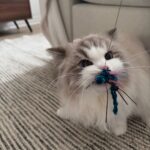
While Ragdolls have a beautiful, soft, semi-long coat that is often described as feeling like rabbit fur, and they tend to shed less than some other breeds, they still produce the Fel d 1 protein. Therefore, individuals with **Ragdoll cat allergies** will likely experience symptoms when exposed to them.
## Why the Misconception About Ragdolls?
The idea that Ragdolls are hypoallergenic likely stems from a few factors:
* **Lower Shedding:** Their single coat (lacking an undercoat) means less shedding compared to double-coated breeds, which might reduce the spread of dander to some extent.
* **Anecdotal Evidence:** Some allergy sufferers report milder reactions to Ragdolls. This could be due to individual variations in allergen production among cats, or differing sensitivity levels among people.
* **Grooming Habits:** Ragdolls are meticulous groomers, which can sometimes lead to a cleaner coat, but also means more saliva-borne allergens are spread.
However, it’s crucial to understand that “less allergenic” does not equate to “hypoallergenic.” For severe allergy sufferers, even minimal exposure can trigger symptoms.
## Truly Allergy-Friendly Cat Breeds
If you suffer from cat allergies but dream of owning a feline, there are breeds that naturally produce less of the Fel d 1 protein, making them genuinely more suitable for allergy sufferers. These **hypoallergenic cats** include:
* **Siberian:** Known for producing significantly less Fel d 1.
* **Balinese:** Also produces less Fel d 1.
* **Devon Rex & Cornish Rex:** These breeds have unique coats that shed very little.
* **Sphynx:** While hairless, they still produce Fel d 1, but the lack of fur means fewer places for allergens to cling.
Before adopting any cat, especially if you have allergies, it is highly recommended to spend time with the specific breed (or even the individual cat) to gauge your reaction. For those with severe allergies, consulting an allergist is always the best course of action. While Ragdolls are wonderful companions, they are not the answer for those seeking a truly hypoallergenic pet.